DESIGNING CLARITY
FOR THE MOST IMPORTANT
MOMENT OF THE FLOW.
We redesigned Multipum's payment screen to make the process clearer, more trustworthy, and easier to complete.
VIEW CASE STUDY ↓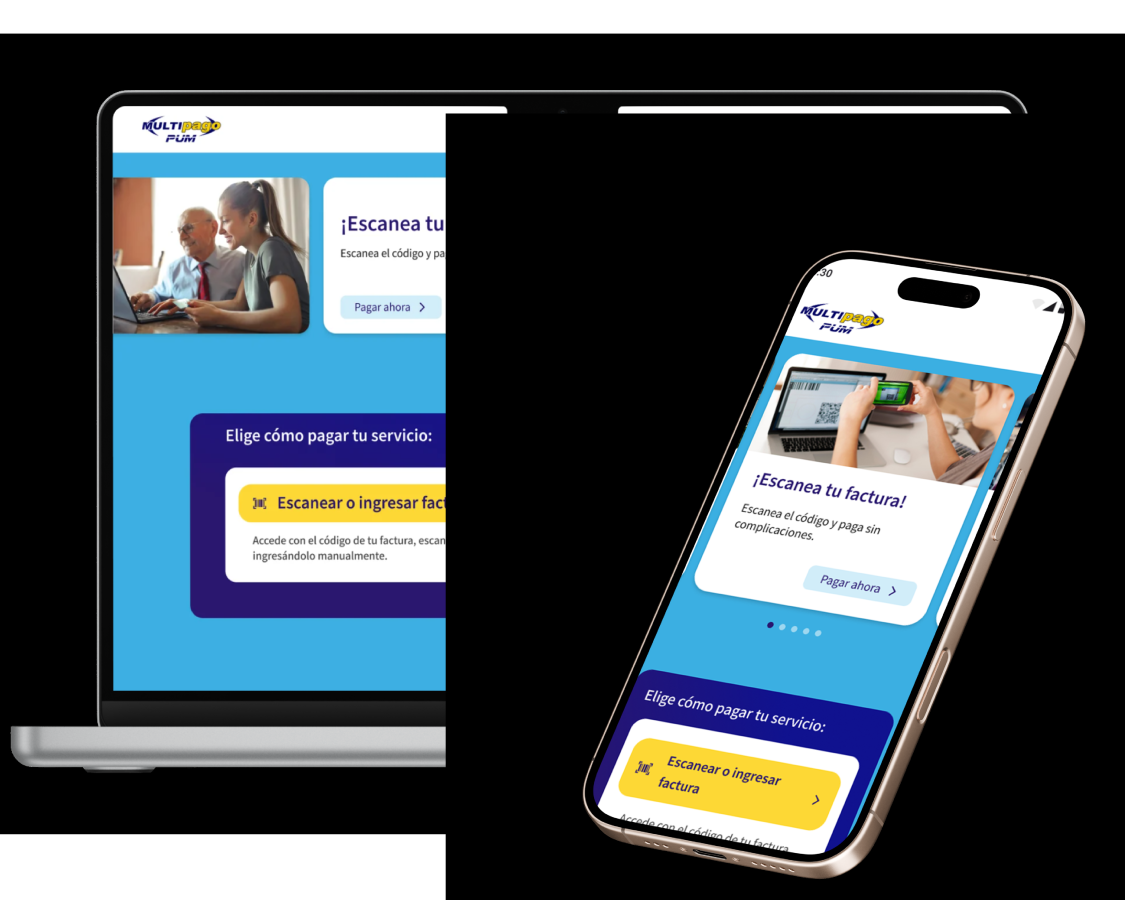
A SCREEN THAT DEFINES TRUST.
Multipum needed to improve the payment experience within its platform. At a point as sensitive as payment, every detail directly impacts user trust and conversion rates.
We approached the redesign by combining UX/UI criteria, interface clarity, and a more structured layout to make decision-making seamless.
THREE FRICTIONS WE DETECTED.
Lack of information hierarchy
Users couldn't quickly understand what they were paying, how much, and how to confirm. Without hierarchy, doubt increases, leading to drop-offs.
Unclear primary action
The payment button did not stand out with enough strength. Users hesitated before proceeding in a highly sensitive step.
Insufficient trust
Clear signals of security, confirmation, and control were missing. The interface failed to reassure users during their decision.
THREE DESIGN DECISIONS.
To resolve these frictions, we didn't add more elements: we reduced noise and prioritized what matters to the user.
Three questions, three seconds.
We designed the screen to let users answer quickly: what am I paying?, how much?, how do I confirm?
We worked on the hierarchy of the total, the selection components, and the arrangement of key information.
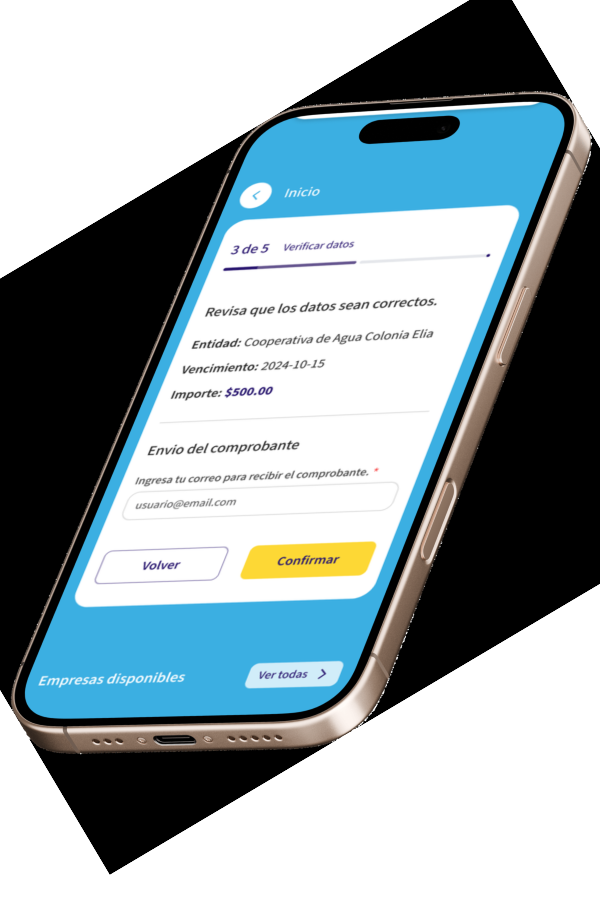
Clear, direct, actionable language.
Microcopy prevents errors and reinforces user control. Simple texts, concrete action names, zero unnecessary technical terms — without cluttering the screen.
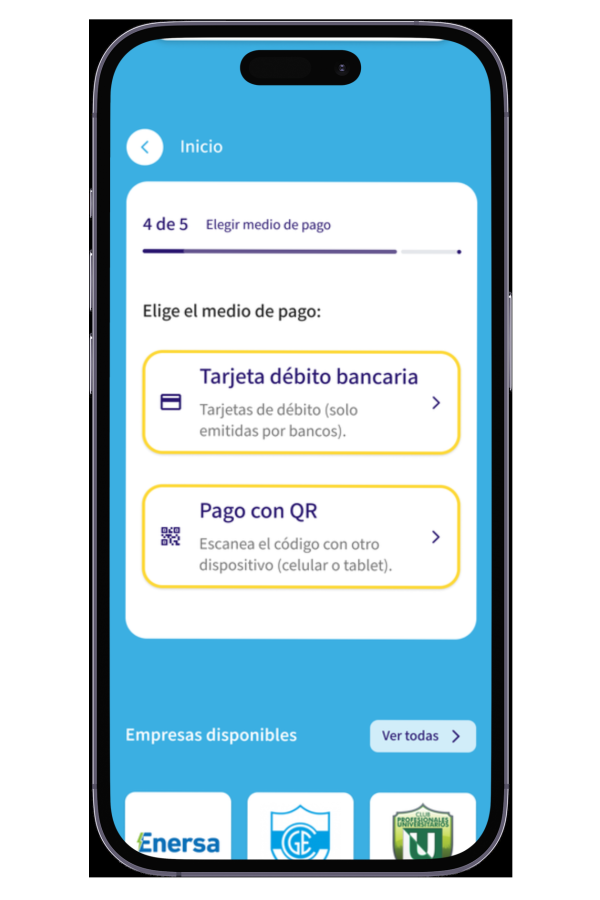
Design that can be built.
We defined components, states, and responsive behavior in collaboration with development. The proposal wasn't just a visual idea: it was ready to be integrated into the product from day one.
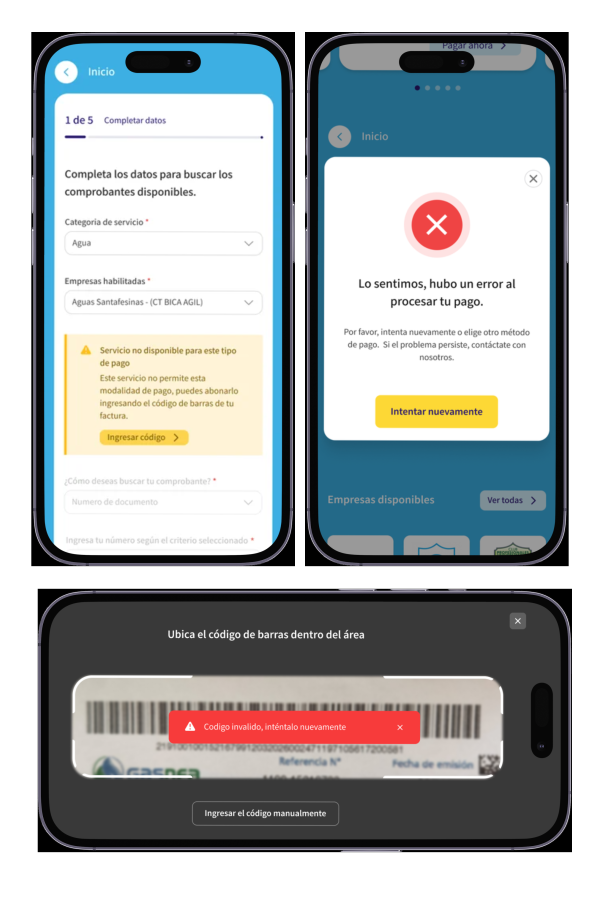
A SCREEN THAT ANSWERS BEFORE BEING ASKED.
Information is organized into easy-to-read blocks, the main action is clearly identified, and text copy reduces doubts before confirming.
TANGIBLE RESULTS.
* Projected values based on user behavior during cognitive walkthrough tests.
"Critical screens don't need more elements; they need better decisions."